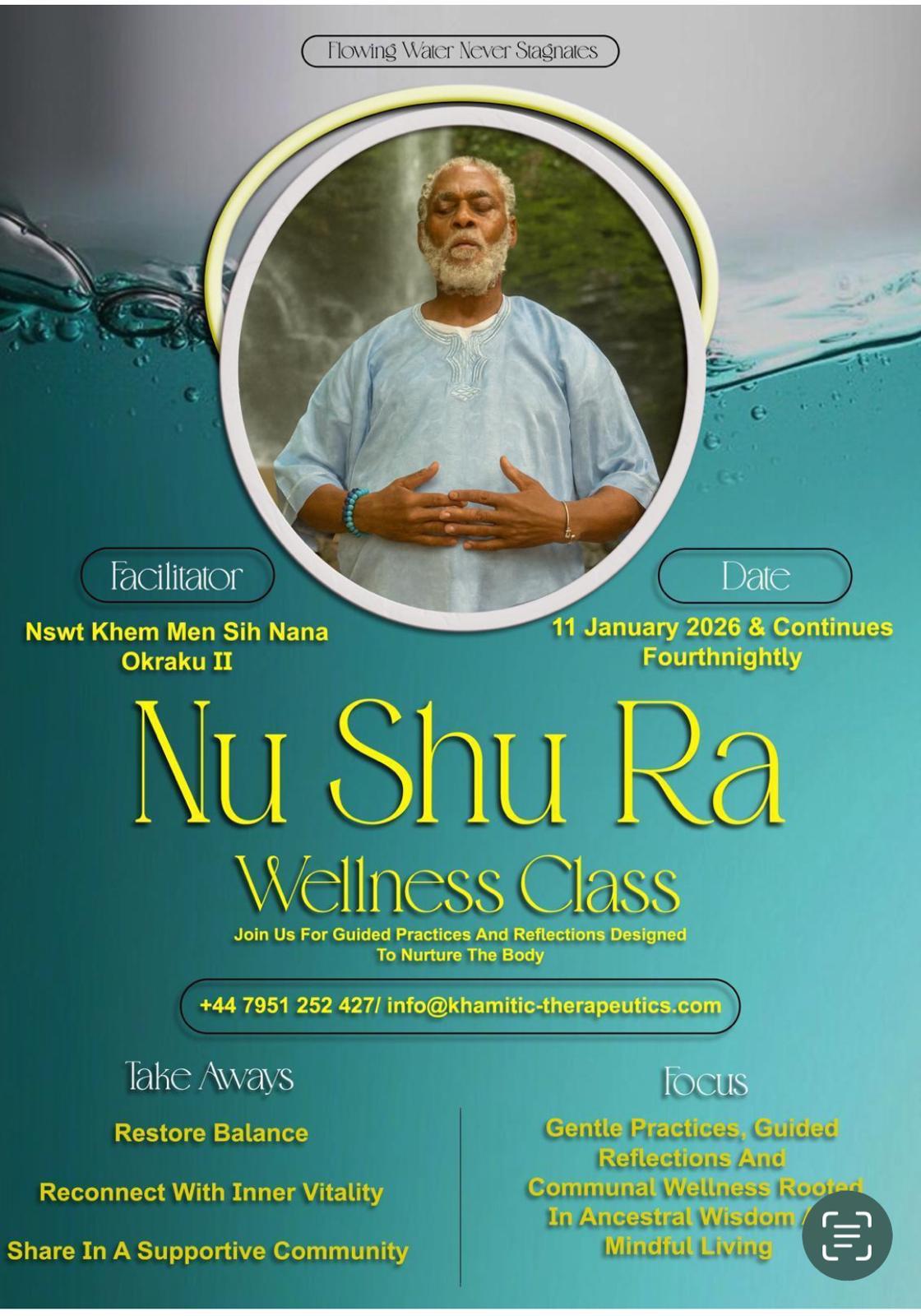
A dynamic, soft flowing exercise practice
Philosophy of Nu Shu Ra
Imagine if just 20 minutes of slow, mindful movement each day could boost your immune system, calm your mind, and even help prevent disease. Would you believe it ?
- Nu shu ra is not just an exercise. It’s not a martial art
Nu shu ra is a profound method of training both body and mind, harmonizing chi and blood, balancing yin and yang. For thousands of years, ancient wisdom traditional medicine has taught that true health comes from the smooth circulation of energy and maintaining balance within the body. Nu shu ra s one of the most beautiful ways to practice this philosophy in real life.
- Having it origin in African and teastern martial arts, nu shu ra as evolved far beyond combat techniques. Today, it is a practice of moving meditation, chi cultivation, and self-healing. Nu shu ra has three key aspects. First, from a marshall perspective, every slow flowing motion conceals effective techniques for self-defense.
- Yet, it appears non-aggressive from the outside. Second, from an exercise perspective, nu shu ra gently strengthens muscles, improves joint flexibility, and enhances overall body coordination, making it perfect even for those with limited mobility. Third, from a mindbody perspective, nu shu ra integrates breathing, conscious movement, and awareness into one seamless flow, promoting deep mental peace and energetic balance.
- Nu shu ra originates from Wuji through movement and stillness. It generates yin and yang. Nu shu ra teaches us to find stillness within movement and life energy within stillness. Nu shu ra is a practice anyone can begin regardless of age, fitness level, or experience. It is particularly beneficial for people living with chronic stress.
- Through slow mindful movement and deep breathing, the practice of nu shu ra activates the parasympathetic nervous system, helping to reduce stress and promote emotional balance. For those who feel physically inactive, Tai Chi offers a gentle yet comprehensive workout, improving muscle tone, balance, and overall body awareness.
- People with chronic conditions such as diabetes, arthritis or hypertension can also benefit greatly as nu shu ra promotes cardiovascular health and eases physical strain. Nu shu ra is highly recommended for older adults as well. It helps enhance balance and coordination, reducing the risk of falls while also maintaining cognitive function and cardiovascular endurance.
- The best times for practice are early morning or in the early evening, ideally outdoors where the air is fresh. Practicing in nature helps to further activate and harmonize the flow of chi energy within the body. Nu shu ra chi movements have several unique characteristics that set them apart from other forms of exercise.
- First, nu shu ra emphasizes continuous flow. movements are connected seamlessly without abrupt stops, allowing the body’s internal energy or to circulate smoothly. Second, the pace of the exercises is intentionally slow and deliberate. The focus is not on speed or strength, but on maintaining balance, centeredness, and inner awareness.
- Third, nu shu ra requires precise control of body weight shifting. By feeling the ground with the soles of the feet and moving mindfully, practitioners enhance their balance and strengthen their core muscles. Finally, Tai Chi synchronizes deep relaxed abdominal breathing with movement. This integration of breath, motion, and consciousness leads to profound mental clarity, physical vitality, and emotional harmony.
Here is a refined and coherent version of your text in British English, suitable for sharing with community groups or as part of a teaching resource on the philosophy of Nu Shu Ra:
Philosophy of Nu Shu Ra
Imagine if just twenty minutes of slow, mindful movement each day could strengthen your immune system, calm your mind, and even help prevent illness. Would you believe it?
Nu Shu Ra is not merely an exercise. It is not a martial art in the conventional sense.
It is a profound method of training both body and mind — harmonising chi and blood, balancing yin and yang. For thousands of years, traditional medicine and ancient wisdom have taught that true health arises from the smooth circulation of energy and maintaining internal balance. Nu Shu Ra is one of the most elegant ways to embody this philosophy in daily life.
Origins and Evolution
Rooted in African and Eastern martial traditions, Nu Shu Ra has evolved far beyond combat techniques. Today, it is a practice of moving meditation, chi cultivation, and self-healing.
Nu Shu Ra encompasses three key dimensions:
- Martial Perspective: Every slow, flowing movement conceals effective techniques for self-defence, though the practice appears non-aggressive from the outside.
- Physical Perspective: It gently strengthens muscles, improves joint flexibility, and enhances overall coordination — making it ideal even for those with limited mobility.
- Mind–Body Perspective: It integrates breathing, conscious movement, and awareness into a seamless flow, promoting deep mental peace and energetic balance.
Principles and Practice
Nu Shu Ra originates from Wuji — the state of undifferentiated stillness — and through movement, generates yin and yang. It teaches us to find stillness within motion, and life energy within stillness.
This is a practice accessible to all, regardless of age, fitness level, or experience. It is especially beneficial for those living with chronic stress. Through slow, mindful movement and deep breathing, Nu Shu Ra activates the parasympathetic nervous system, helping to reduce stress and promote emotional equilibrium.
For those who feel physically inactive, Nu Shu Ra offers a gentle yet comprehensive workout, improving muscle tone, balance, and body awareness. Individuals with chronic conditions such as diabetes, arthritis, or hypertension may also benefit, as the practice supports cardiovascular health and reduces physical strain.
Nu Shu Ra is highly recommended for older adults. It enhances balance and coordination, reduces the risk of falls, and supports cognitive function and cardiovascular endurance.
Unique Characteristics
The best times to practise are early morning or early evening, ideally outdoors where the air is fresh. Practising in nature helps to further activate and harmonise the flow of chi within the body.
Nu Shu Ra movements have several distinctive features:
Breath Integration: Deep, relaxed abdominal breathing is synchronised with movement. This union of breath, motion, and consciousness fosters mental clarity, physical vitality, and emotional harmony.
Continuous Flow: Movements are connected seamlessly, without abrupt stops, allowing internal energy to circulate smoothly.
Deliberate Pace: Exercises are intentionally slow and measured. The focus is not on speed or strength, but on balance, centredness, and inner awareness.
Weight Control: Practitioners learn to shift body weight with precision, feeling the ground through the soles of the feet and moving mindfully to strengthen core muscles.